
305-944-9636

Botox® for the Dental Practitioner

Two-Day Hands-On Neuromodulator Training for Dental Professionals

Develop an anatomy-based clinical foundation for evaluating patients, planning treatment, administering upper-face neuromodulators, recognizing complications, and responsibly integrating Botox® treatment into dental practice.

CE Hours: 16
Duration: Two-day Course
Tuition: $1,600
Faculty:

Larry Gorzelnik, MD, DMD

Karent Sierra, DDS, PA

Dates & Locations

September 5–6, 2026 – Miami, Florida

Two-Day Clinical Program

Lecture, treatment planning, faculty demonstration, and supervised hands-on training.

Designed for Dentists

An anatomy-first neuromodulator course developed specifically for dental professionals.

Live-Patient Experience

Participants evaluate, plan, and provide treatment under faculty guidance.

Miami, Florida

September 5–6, 2026.

Move Beyond Watching Videos. Build a Clinical Framework.

Dentists already work within the complex relationship between facial anatomy, muscular function, smile design, oral health, and patient expectations.

This two-day Garg Institute program is designed to help dentists understand the clinical decision-making behind neuromodulator treatment—not simply memorize injection points.

Participants will study facial anatomy, patient selection, consultation, documentation, dosing principles, treatment planning, safety, complication awareness, and follow-up before progressing to supervised hands-on clinical experience.

The objective is to provide doctors with a structured clinical foundation for responsible implementation within their education, licensure, insurance coverage, and applicable state scope of practice.
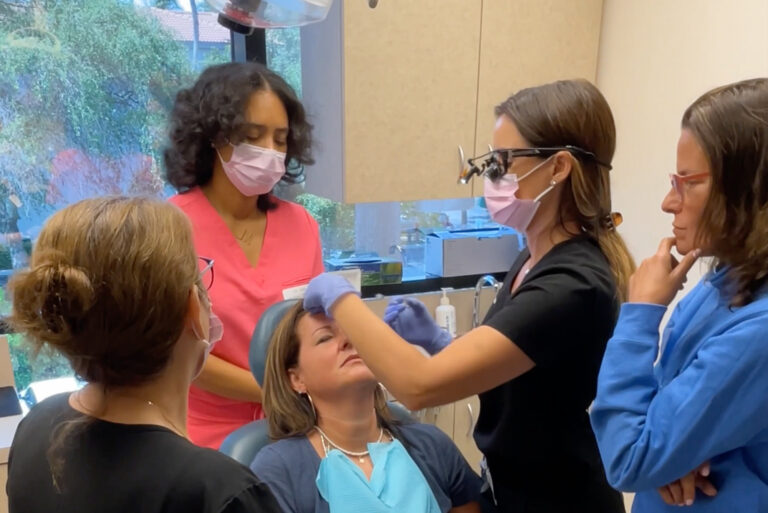
Two Days of Structured Clinical Education

Day 1: Clinical Foundation and Faculty-Led Demonstration

Day one establishes the foundation participants need before treating patients.

Topics include:

  • Facial anatomy
  • Neuromodulator principles
  • Patient consultation
  • Medical history review
  • Patient selection
  • Treatment planning
  • Documentation and informed consent
  • Injection mapping
  • Dosing considerations
  • Safety and complication awareness
  • Faculty-led live-patient evaluation
  • Faculty-led live-patient treatment demonstration

Day 2: Faculty-Supervised Hands-On Training

Day two moves from clinical concepts to guided patient treatment.

Participants will work through:

  • Patient assessment
  • Medical and aesthetic history
  • Facial and muscular evaluation
  • Development of treatment objectives
  • Injection-point planning
  • Product preparation
  • Faculty-supervised patient treatment
  • Post-treatment documentation
  • Post-treatment instructions
  • Follow-up protocols
  • Case review and clinical debrief

What You Will Learn

  • Relevant upper-face anatomy and muscular relationships
  • Neuromodulator mechanism of action
  • Dosing principles and treatment considerations
  • Patient evaluation and appropriate case selection
  • Aesthetic and therapeutic treatment objectives
  • Consultation and expectation management
  • Clinical photography and documentation
  • Informed consent
  • Upper-face treatment planning
  • Injection-point mapping
  • Glabellar treatment concepts
  • Forehead treatment concepts
  • Lateral canthal treatment concepts
  • Product preparation and handling
  • Contraindications and risk considerations
  • Prevention and recognition of complications
  • Complication-management principles
  • Post-treatment instructions and follow-up
  • Clinical workflow and scheduling
  • Responsible integration into dental practice

Who Should Attend?

This program is intended for dentists and qualified dental professionals who:

  • Are considering adding neuromodulator treatment to their practice
  • Want a structured, anatomy-first introduction
  • Have completed prior education but lack hands-on confidence
  • Want greater understanding of patient selection
  • Want to improve treatment planning
  • Want supervised clinical experience
  • Want to strengthen safety and complication-awareness protocols
  • Want to responsibly integrate facial-aesthetic services into dental practice
  • Want to offer both aesthetic and appropriate therapeutic applications


Participants are responsible for confirming that all procedures taught are permitted under their individual license, training, malpractice coverage, and applicable state or jurisdictional scope-of-practice requirements.
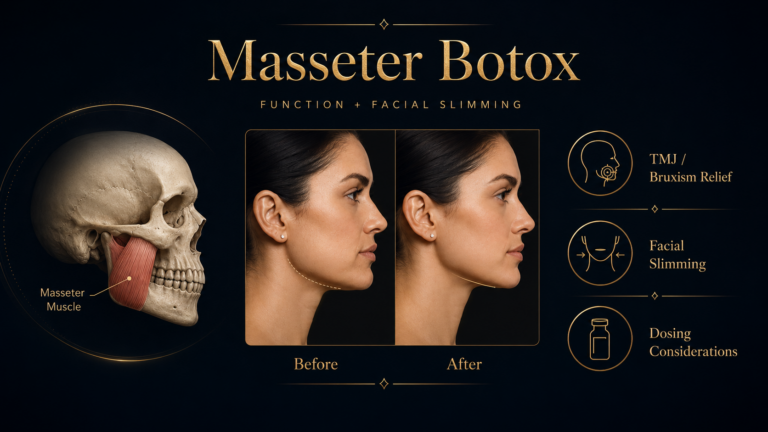
Why Add Neuromodulators to a Dental Practice?

  • Expand the range of services available to existing patients
  • Complement cosmetic and restorative dental treatment
  • Address appropriate aesthetic and therapeutic concerns
  • Increase patient convenience
  • Create additional elective treatment opportunities
  • Strengthen patient retention
  • Add procedures requiring relatively limited chair time
  • Differentiate the practice
  • Respond to growing patient demand
  • Integrate facial balance with smile design and comprehensive aesthetic dentistry

Your Course Registration Includes

  • Two full days of faculty-led education
  • Facial-anatomy instruction
  • Live-patient faculty demonstration
  • Faculty-supervised hands-on clinical training
  • Patient-assessment and treatment-planning guidance
  • Clinical course manual or digital educational materials
  • Documentation and consent resources
  • Clinical supplies used during the course
  • Breakfast and lunch
  • Continuing-education documentation, if applicable
  • Post-course implementation guidance